

As part of the South India field component of the MSc Wildlife Science program, students from the Wildlife Institute of India (WII) undertook an enriching two-day field visit to the OMCAR Foundation in Vellivayal, Thanjavur District, Tamil Nadu. The visit offered a first-hand introduction to the Palk Bay region, home to India’s first Dugong Conservation Reserve (DCR) and one of the country’s most ecologically significant seagrass meadows. Dr JA Johnson & Dr Nehru, Scientist from WII & Dr Balaji from OMCAR Foundation demonstrated field techniques to students.
Dr Nehru Prabakaran, Scientist D, explains seagrass sampling techniques to students
Immersive Exposure to Seagrass Habitats
The field programme began with snorkeling sessions, allowing students to directly engage with the underwater landscapes of Palk Bay. This hands-on experience provided a rare opportunity to witness the diversity of marine life supported by seagrass ecosystems and deepened their appreciation for these globally important blue carbon habitats.
Dr Balaji Vedharajan, Director of OMCAR Foundation explained dugong rescues and seagrass conservation efforts by Tamil Nadu Forest Department
Seagrass and Associated Biodiversity
Students actively participated in the identification of seagrass species and associated marine fauna, including macro-benthic organisms and fish communities. This exercise highlighted the ecological complexity and interdependence of seagrass meadows, strengthening the participants’ field-based taxonomic and ecological skills.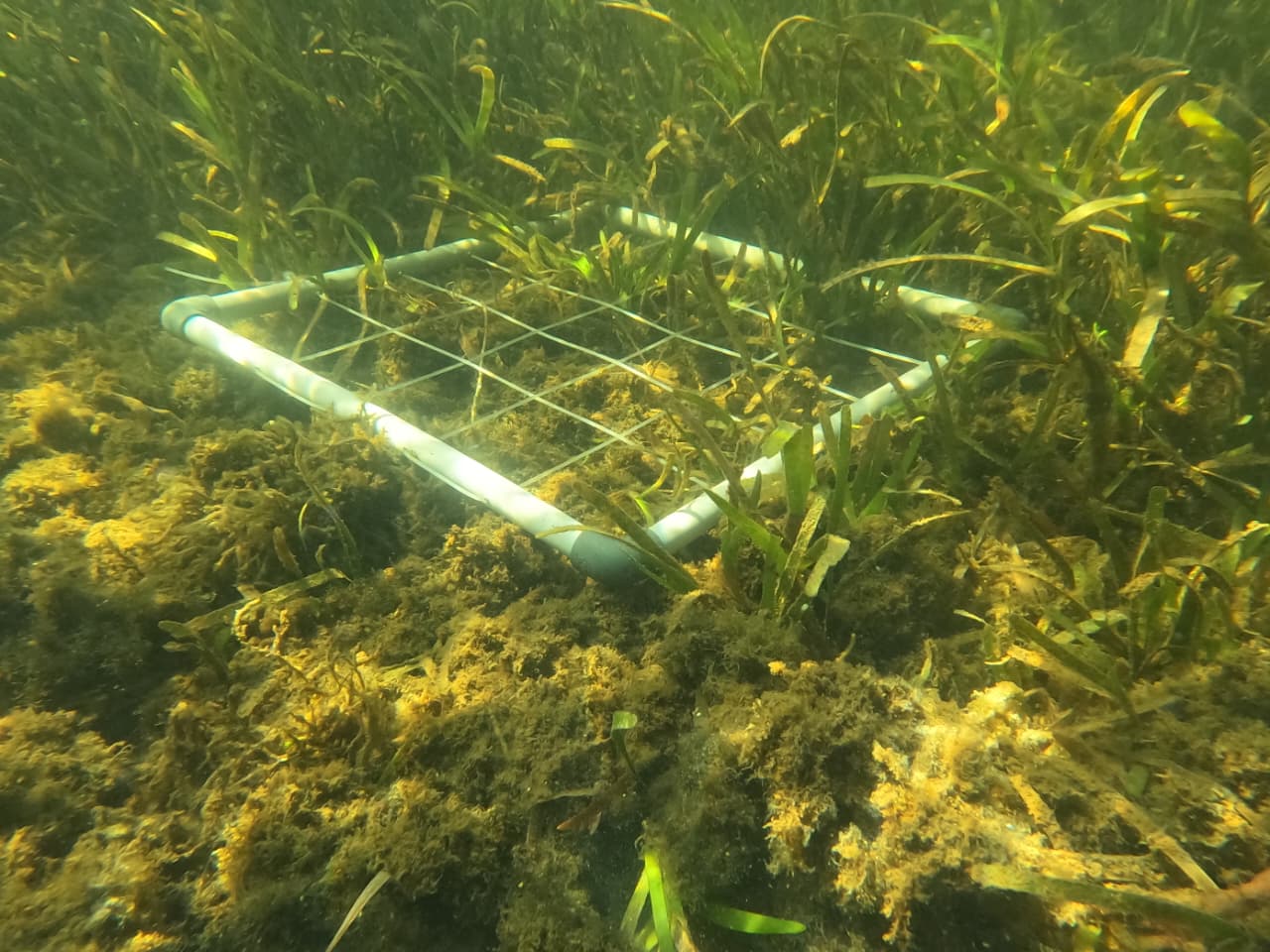
Training in Field Sampling Techniques
A central component of the visit was training in standardized seagrass monitoring methods, where both theoretical explanations and practical demonstrations were provided. Students learned and applied:
Quadrat Sampling
Line Intercept Transect (LIT) Method
Drop-down Quadrat Technique
These exercises equipped participants with essential tools for assessing species composition, seagrass cover, associated fauna, and substrate characteristics—skills directly relevant to marine ecosystem monitoring and management.

Conservation Dialogue with OMCAR Foundation
An interactive session with Dr. V. Balaji, Founder of OMCAR Foundation, provided valuable insights into community-based marine conservation in the Palk Bay region. Dr. Balaji emphasized:
The ecological role of seagrass meadows as critical dugong feeding habitats.
Current conservation initiatives and research efforts focused on seagrass and dugongs.
Threats to seagrass ecosystems, including habitat degradation, pollution, and destructive fishing practices.
The importance of local communities and traditional knowledge in driving sustainable conservation outcomes.
This dialogue offered participants a grassroots perspective on the challenges and opportunities of marine conservation in South India. The field visit to OMCAR Foundation ultimately proved to be a transformative learning experience, blending ecological science with socio-cultural insights. By combining underwater field exposure, scientific training, and community-based conservation narratives, the programme equipped students with practical skills and a holistic understanding of marine ecosystem conservation.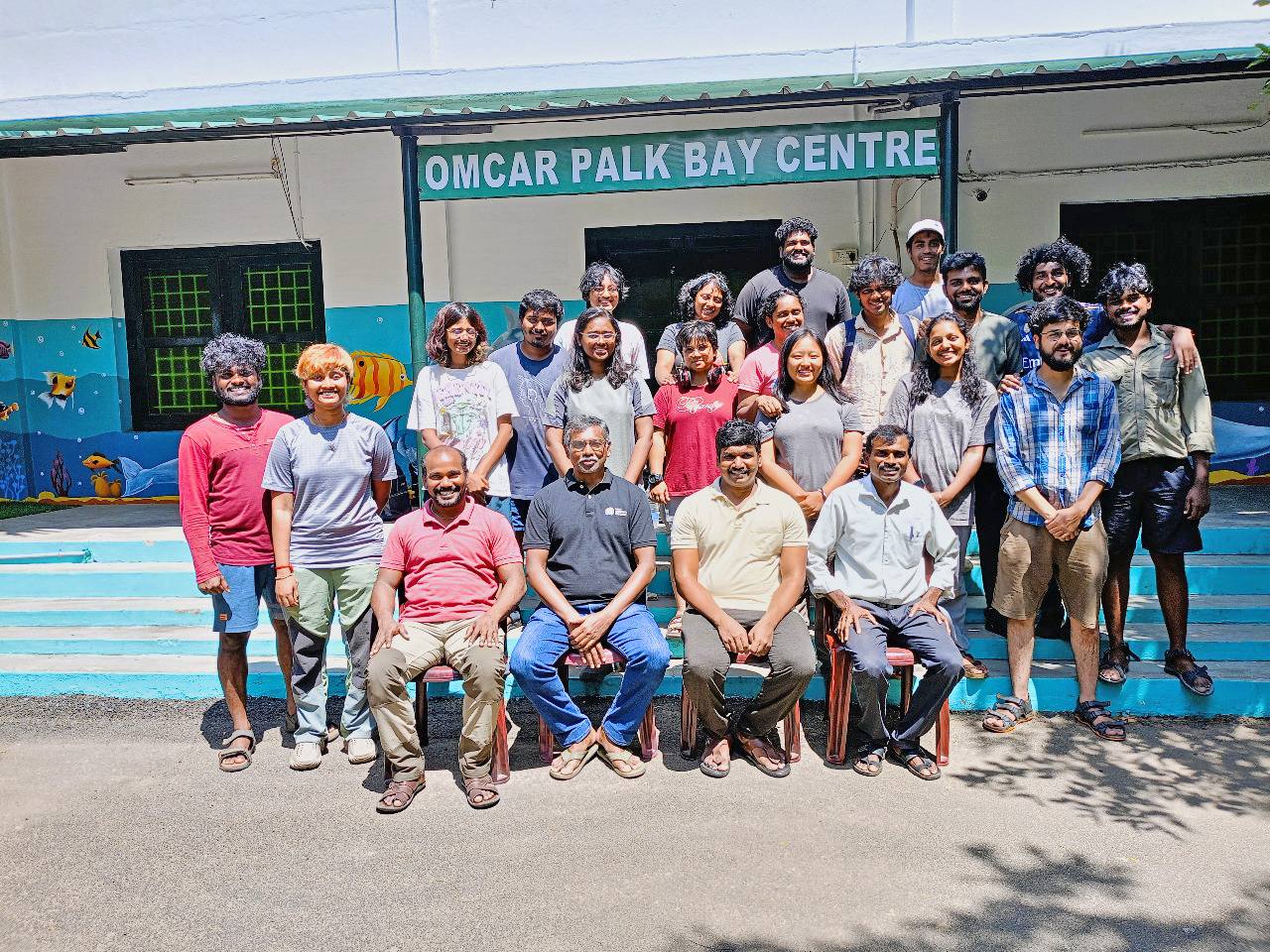
The Palk Bay visit underscored the importance of interdisciplinary and community-led approaches to protecting seagrass meadows and ensuring the survival of vulnerable species such as the dugong. For the next generation of wildlife scientists, this experience served as both an academic exercise and an inspiration to pursue conservation that is rooted in science, people, and place.