

The Integrated Tiger Habitat Conservation Programme (ITHCP) is one of the world's largest tiger conservation initiatives and IUCN's flagship tiger initiative. Implemented by IUCN and funded by the German Cooperation (BMZ) through KfW Development Bank, the programme supports governments, civil society organisations and local communities across Asia to conserve tiger landscapes while improving livelihoods and promoting sustainable development.
Since its launch in 2014, ITHCP has invested in projects that strengthen protected area management, restore habitats, reduce threats to wildlife and support coexistence between people and tigers across some of the most important tiger landscapes in the world.
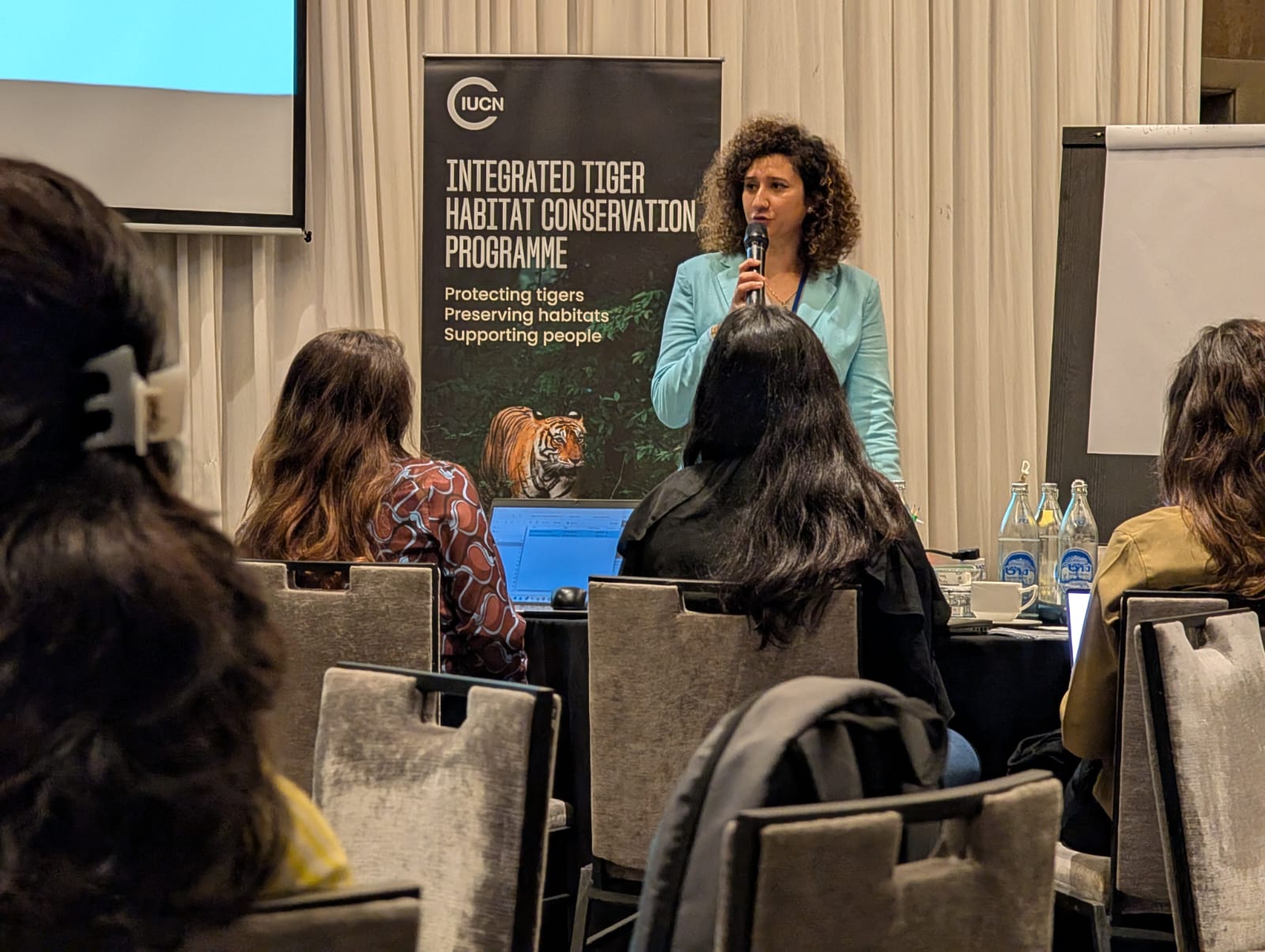
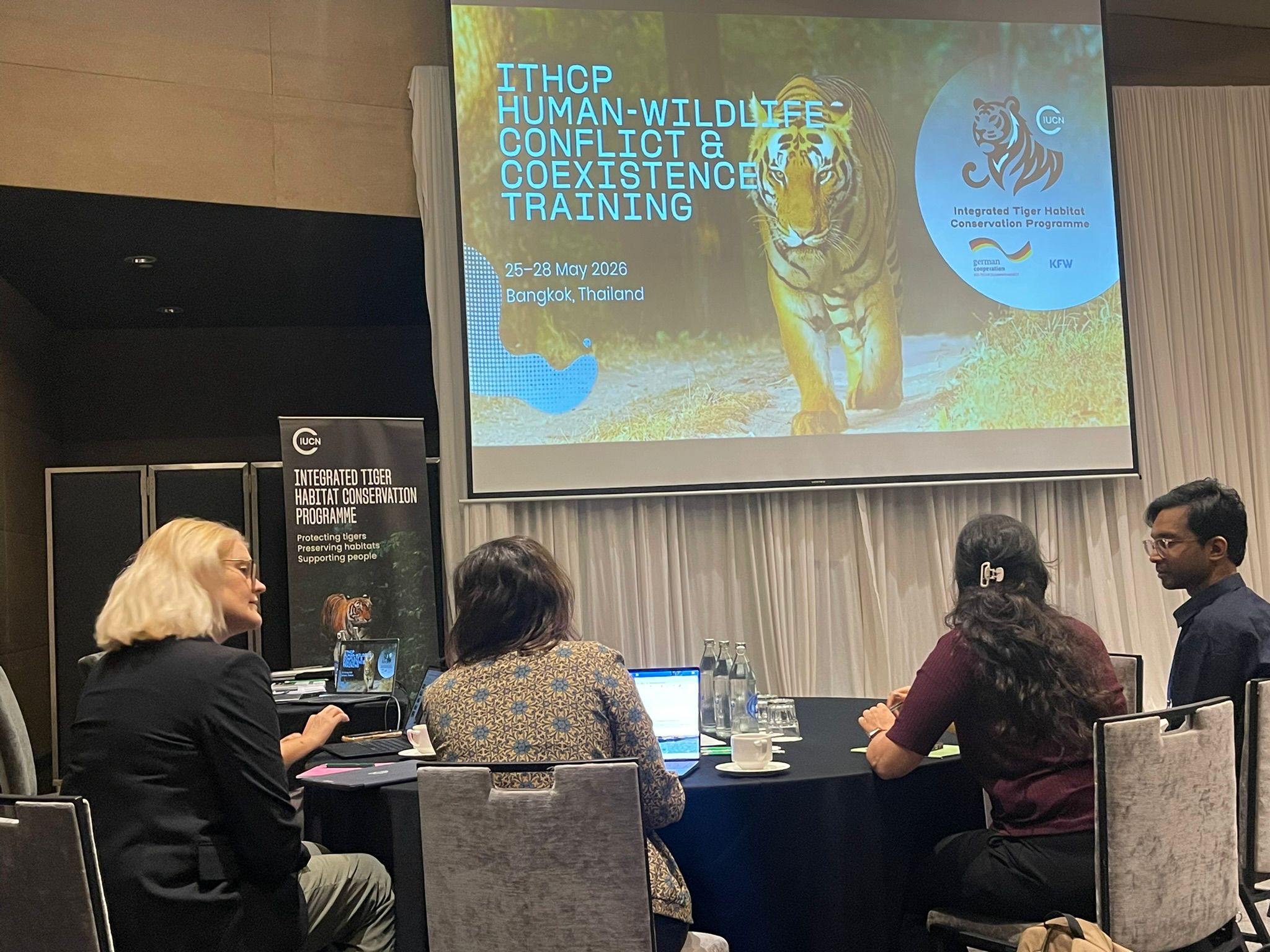
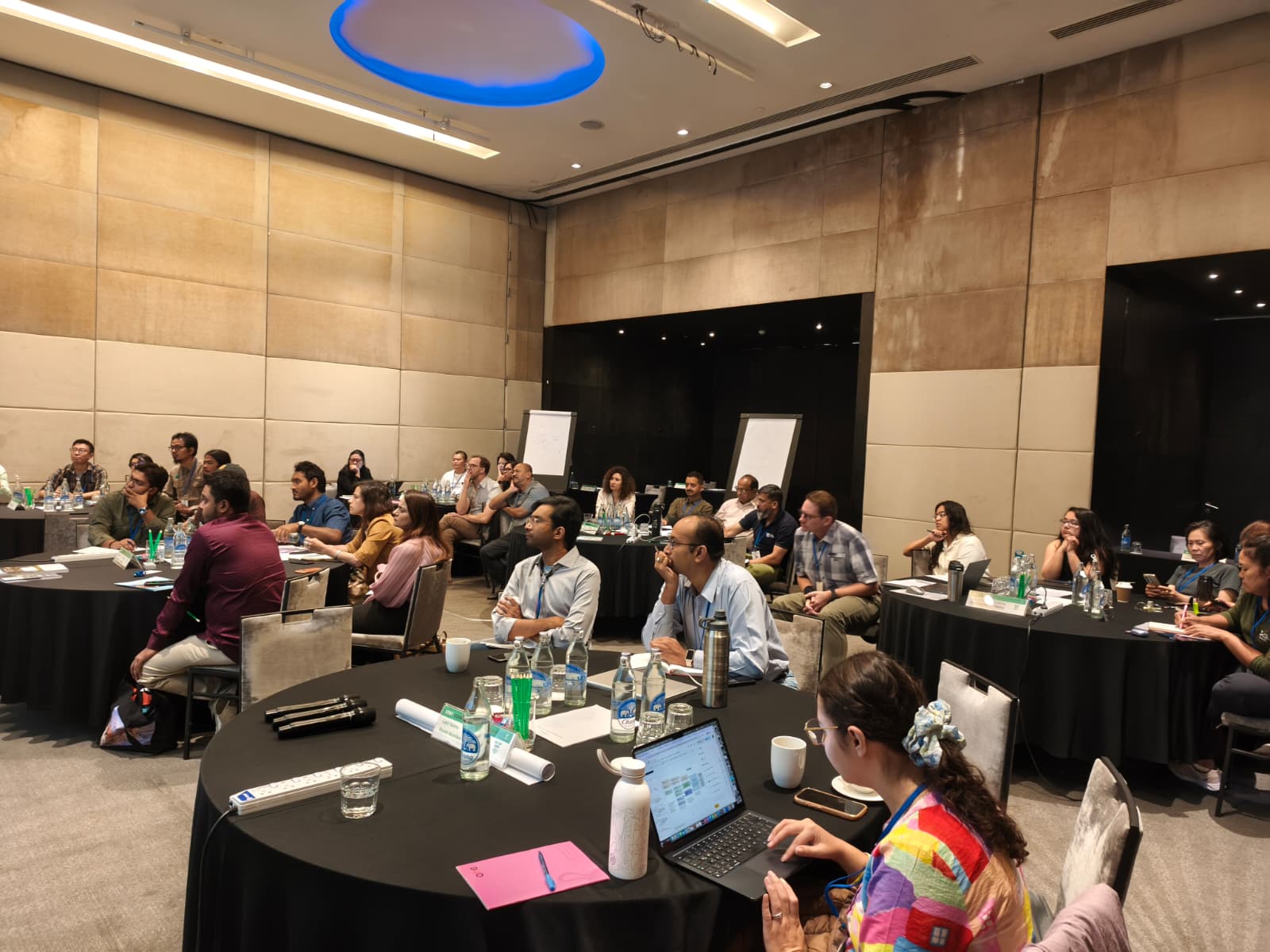
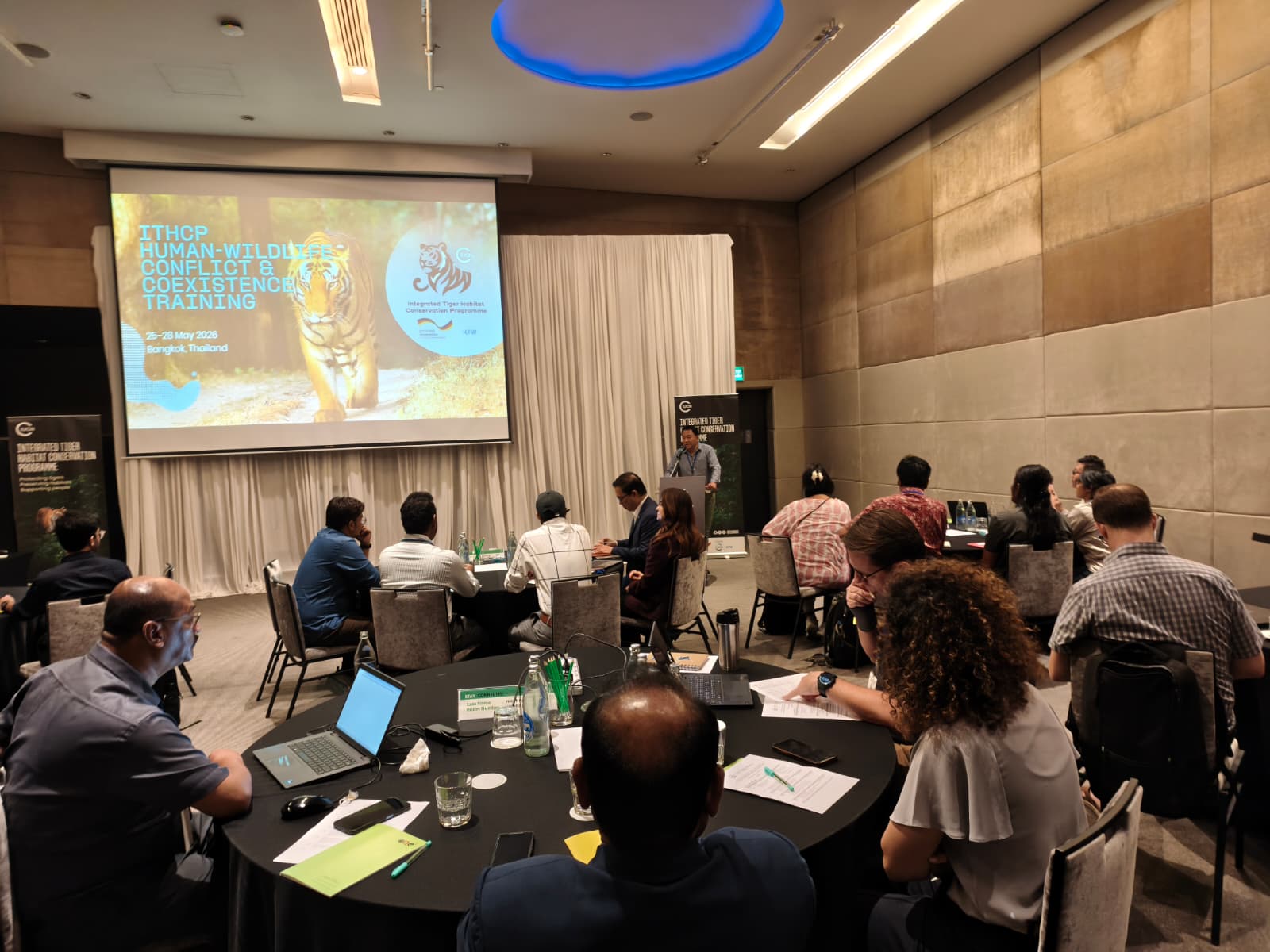
From 25–28 May 2026, ITHCP convened a regional training workshop on human-wildlife conflict and coexistence in Bangkok, bringing together conservation practitioners, IUCN staff and technical experts from across Asia to strengthen capacity for addressing one of the most pressing challenges facing tiger conservation.
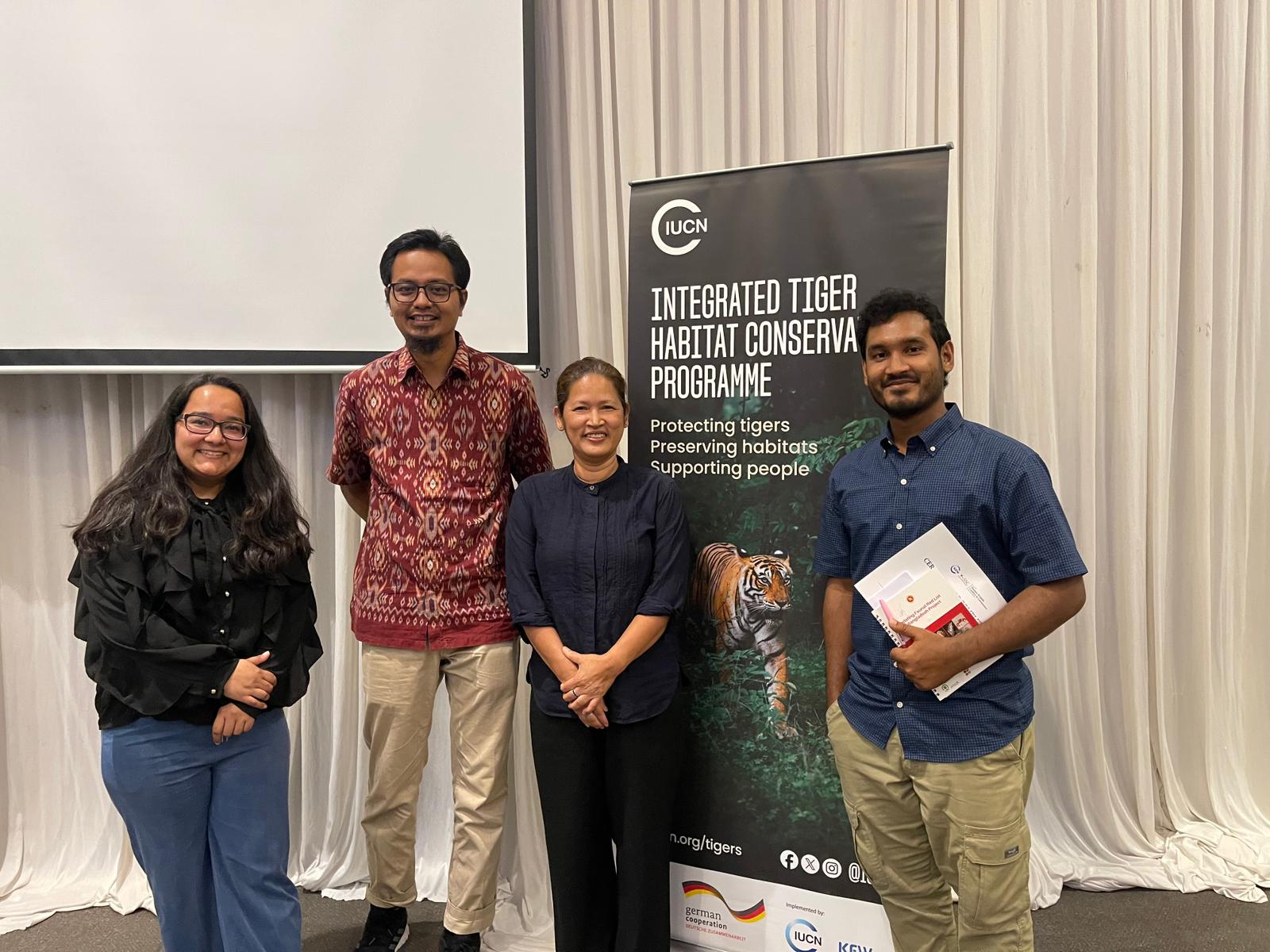
The workshop gathered 31 participants, including 19 frontline practitioners from seven tiger range countries (Bangladesh, Bhutan, India, Indonesia, Myanmar, Nepal and Thailand) alongside IUCN staff and trainers from the IUCN SSC Human-Wildlife Conflict & Coexistence Specialist Group.
The training was opened by Dr Dindo Campilan, Regional Director for Asia and Hub Director for Oceania at IUCN. In his remarks, he highlighted the importance of human-wildlife conflict management as a central component of landscape conservation and emphasised the need to move beyond reactive responses towards long-term approaches that support coexistence between people and wildlife. He also underscored how these efforts contribute to the implementation of Target 4 of the Kunming-Montreal Global Biodiversity Framework and the objectives of the Global Tiger Recovery Programme 2.0.
Over four days, participants explored the principles and recommendations outlined in the IUCN SSC Guidelines on Human-Wildlife Conflict and Coexistence, examining how global frameworks can be translated into practical action on the ground. Sessions covered topics including the ecological and social dimensions of conflict, intervention planning and risk management, project monitoring and evaluation, social survey methodologies, behaviour change approaches, ecological research, and the use of financial mechanisms such as compensation and insurance schemes.
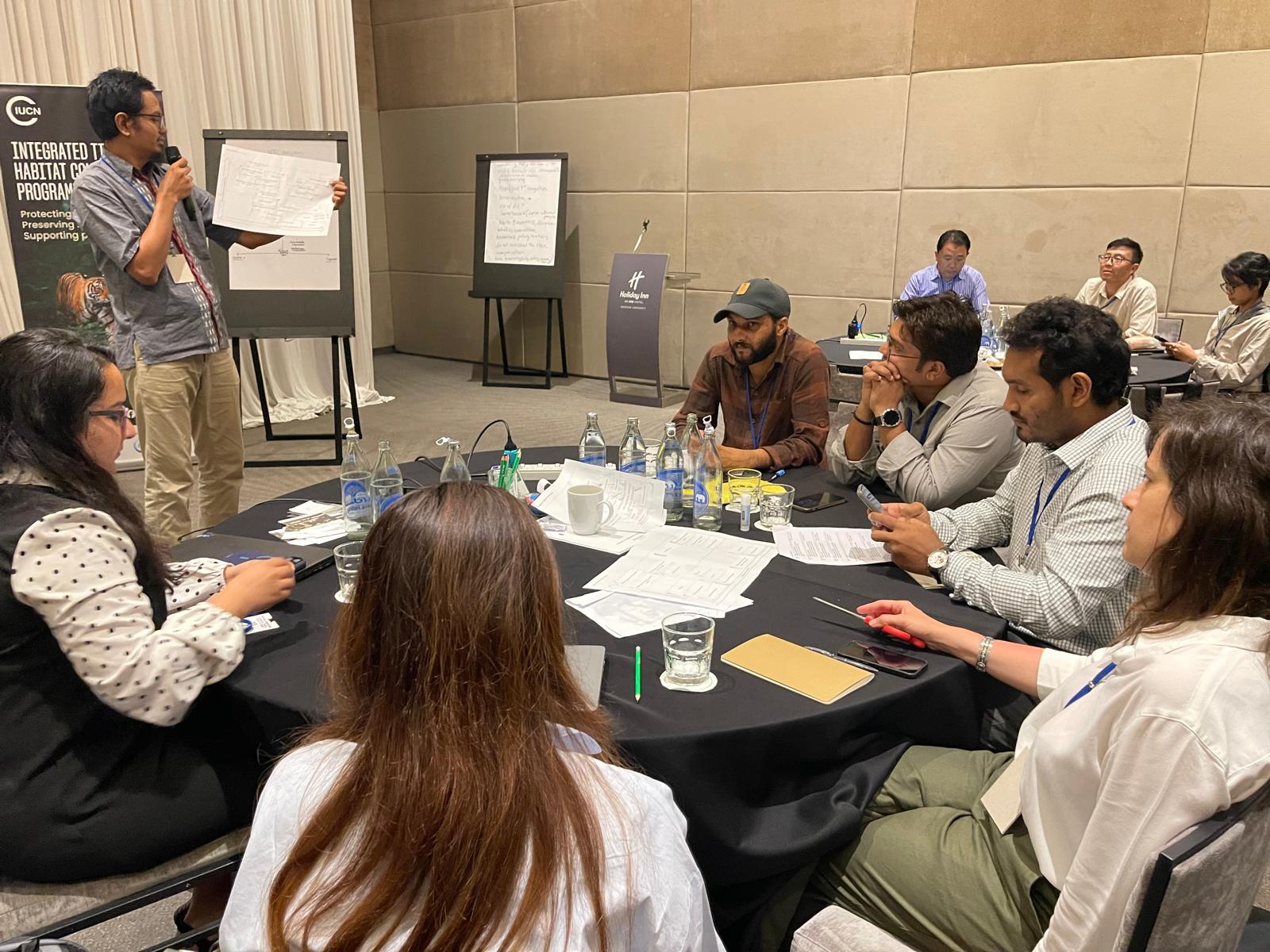
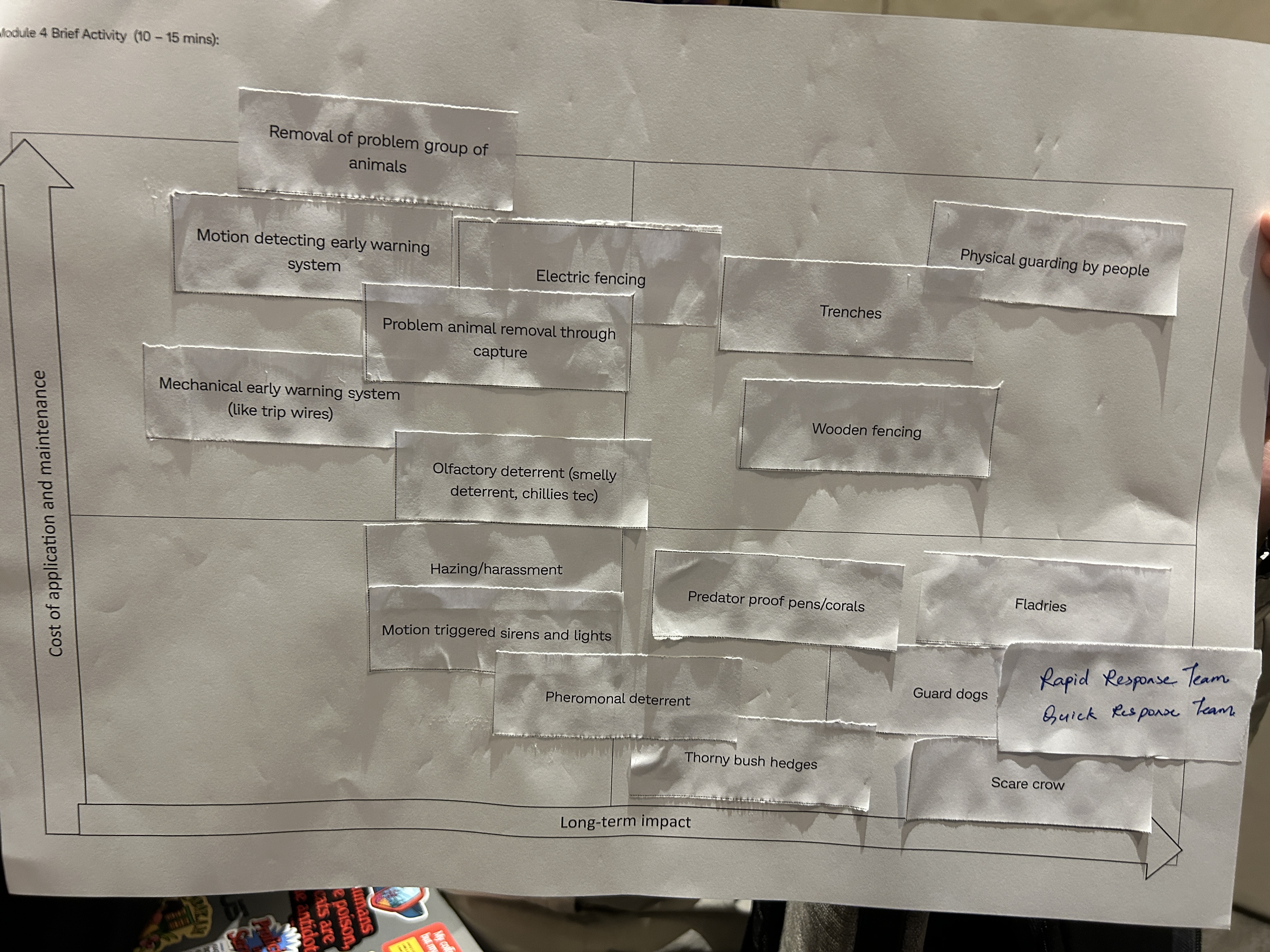
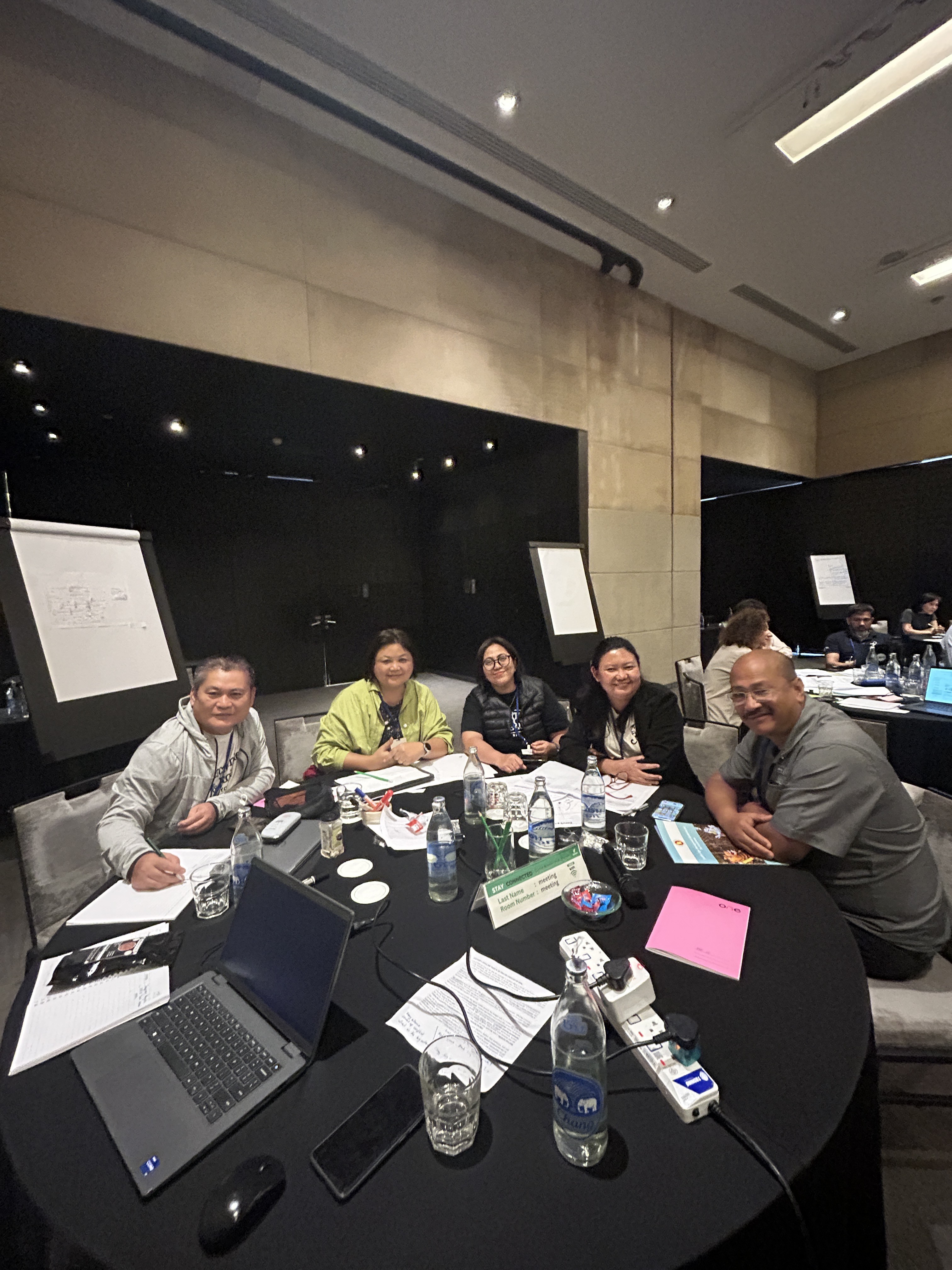
A strong emphasis was placed on peer learning and practical application. Through interactive exercises, participants analysed challenges from their own project landscapes, including the Sundarbans, the Terai Arc and forest ecosystems across Southeast Asia. These discussions provided opportunities to explore the complex social, ecological and governance factors that influence conflict dynamics and to identify context-specific pathways towards coexistence.
One of the key messages emerging from the workshop was that sustainable solutions cannot rely solely on isolated mitigation measures. Participants reflected on the importance of understanding local realities, cultural perspectives, economic drivers and governance systems when designing interventions. The training also introduced tools to help practitioners develop stronger theories of change and plan for the long-term sustainability of their initiatives.
The workshop concluded with participants receiving certificates of completion and joining a newly established regional community of practice. Supported through a dedicated communication platform, this network will facilitate continued exchange among practitioners working across tiger landscapes, enabling them to share experiences, discuss emerging challenges, access technical resources and strengthen collaboration beyond national boundaries.
The training forms part of ITHCP's broader commitment to supporting conservation practitioners with the knowledge, skills and networks needed to promote coexistence between people and wildlife across Asia's tiger landscapes.